

Understanding The Beast: Drug-Resistant Tuberculosis
As a non-professional, I learned about drug-resistant tuberculosis in the weirdest way possible: online gaming. Yes! I bet you never saw that coming. I was playing Call of Duty with a bunch of medical students and somewhere between respawns and victory dances, a conversation about their coursework led to drug-resistant TB. A seemingly casual but insightful conversation that shed light on this growing global concern. Let's break down what exactly drug-resistant tuberculosis is.
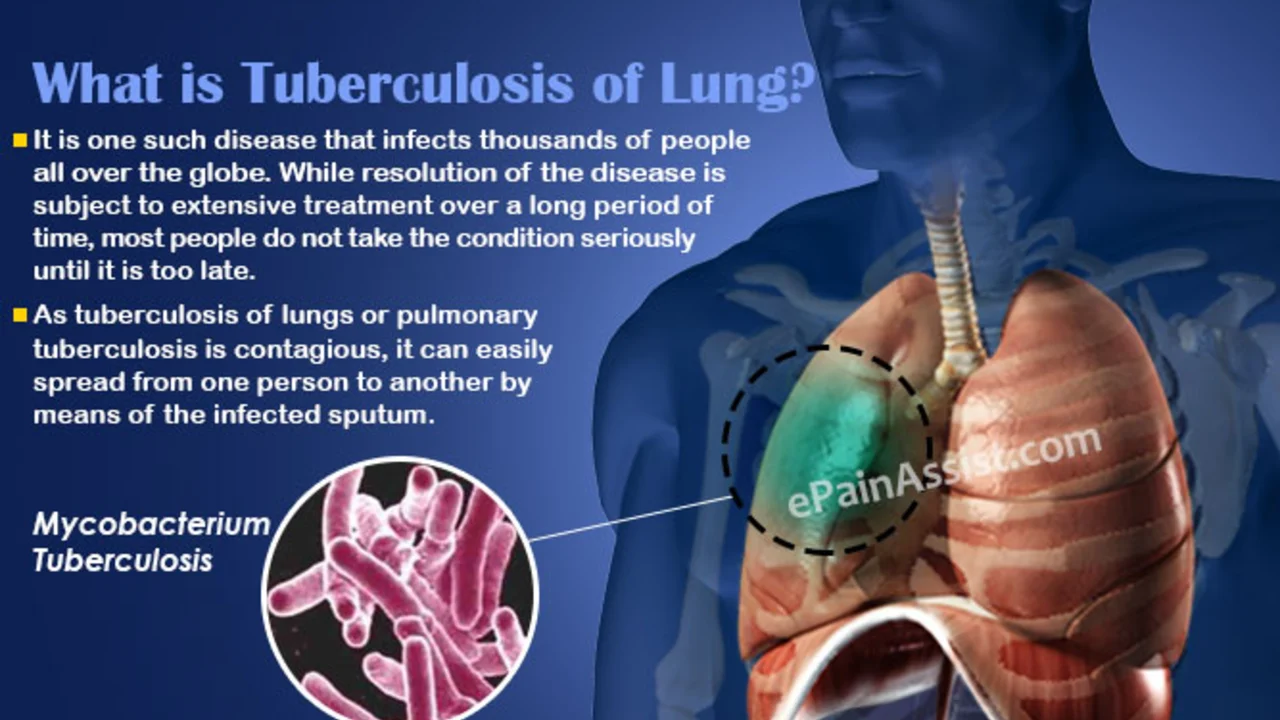
What happens when an unstoppable force meets an immovable object? Well, quite the philosophical question it is but in the realm of medicine, it paints the picture of drug-resistant tuberculosis. Imagine a strain of TB that laughs at your front line antibiotics and keeps on spreading? Scary, right? This unyielding nature is what makes drug-resistant TB a formidable enemy. TB strains evolve and adapt, shrugging off traditional treatments with chilling efficiency. This characteristic is surprising, terrifying, and undeniably fascinating. But enough with the ominous tones! This beast isn't unbeatable.
Affecting Lives Across the Globe: The Graveness of the Situation
An personal encounter further drove home the pressing issue of drug-resistant TB for me. Sounds grim, you think… well it was! Felix, my Domestic Cat, was acting a bit off. His fierce meows turned into feeble yawns, and I knew something was up. Though a vet's visit confirmed it wasn’t TB, the mere suspicion was enough to shake me and remind me of the horrifying aspects of contagious diseases. Thankfully, Felix was back in full form after a few shots and a week of pampering.
Around the world, thousands of people are not as lucky as Felix. They battle this tenacious disease every day. About half a million people fell ill with drug-resistant TB in 2019 alone. It's not about the statistics only; it's about the lives those numbers represent. Imagine a city of half a million people battling this persistent enemy – it's like fighting a war with an invisible, ruthless invader. And the worst part is not just the speed at which it spreads, but its stealth. One can be blissfully unaware until it knocks him down. But remember, we do have the knowledge and power to fight back.
Listen up, Soldiers: Preparing for Our Offensive
In this battle against drug-resistant TB, knowledge is indeed power. The first step is to understand the enemy; then we coordinate our attack. Just like my Border Collie, Max, who tries to understand the route that squirrels might take before launching his hilarious 'squirrel chasing campaigns' in the backyard. Max almost always ends up fooled by the nimble critters, but I must confess, watching him strategise is a sight to behold.
In reality, though, our battle isn't as cute or funny as Max's. It's far more deadly. It requires more than instinct - it requires science, strategy and sustained efforts. We need to work on early detection, effective treatment, and aggressive research for alternative medicines. We need to understand how TB strains evolve resistance and how we can combat them. By knowing our enemy better, we increase our chances of success. After all, 'know your enemy' is the golden rule, right?
Underway Breakthroughs: Science to the Rescue
Resilient as ever, humanity rises against odds. And the fight against drug-resistant TB is no different. Scientists across the globe are working tirelessly to understand drug-resistant TB better, and advancements are being made. The medical equivalent of leveling-up, if you will. Bedaquiline and Delamanid are two drugs recently approved by Food and Drug Administration (FDA) for treating drug-resistant TB. Surprised by the complex names? Think of them as game-changing weapons we've unlocked in our ongoing battle.
Furthermore, a first-ever TB treatment regimen has been developed, drastically shortening the treatment period from up to two years to a mere nine to eleven months. Another breakthrough that shows we DO have a fighting chance against this formidable foe. The war against drug-resistant TB is witnessing a steady momentum of breakthroughs, each of which brings us a step closer to victory. So, take heart, soldier! This war isn't lost yet!
Preventive Measures: The Best Defense is a Good Offense
Remember Max, my Border Collie and his squirrel strategy? His suspense-filled chases reminded me of the importance of preventive measures. If Max could think ahead and try to predict where the squirrels would go, why couldn't we human beings take a leaf from his book? The best way to combat drug-resistant TB is not to contract it in the first place.
Avoiding exposure, ensuring early diagnosis, and strictly adhering to the prescribed treatment protocol are some of the most effective ways to prevent drug-resistant TB. Remember, skipping or not completing your treatment not only jeopardises your health, it also encourages the bacteria to develop resistance. If you think the medicine course is long and bothersome, imagine having to go through it again, only this time with a tougher strain and possibly scarier side effects. Food for thought, isn't it?
We all have our part to play in this battle against drug-resistant TB. As ordinary folk, commitment to health and basic hygiene goes a long way, and on a broader level, increased funding from governments is imperative for research and improved healthcare. It's not a one-man show but a combined effort of all of us. Heck, even Max and Felix are doing their part, offering unconditional love and stress-relief! So pick your role and take your stand - we've got a war to win.
Write a comment