

Tuberculosis Treatment: What Works, How Long, and What to Expect

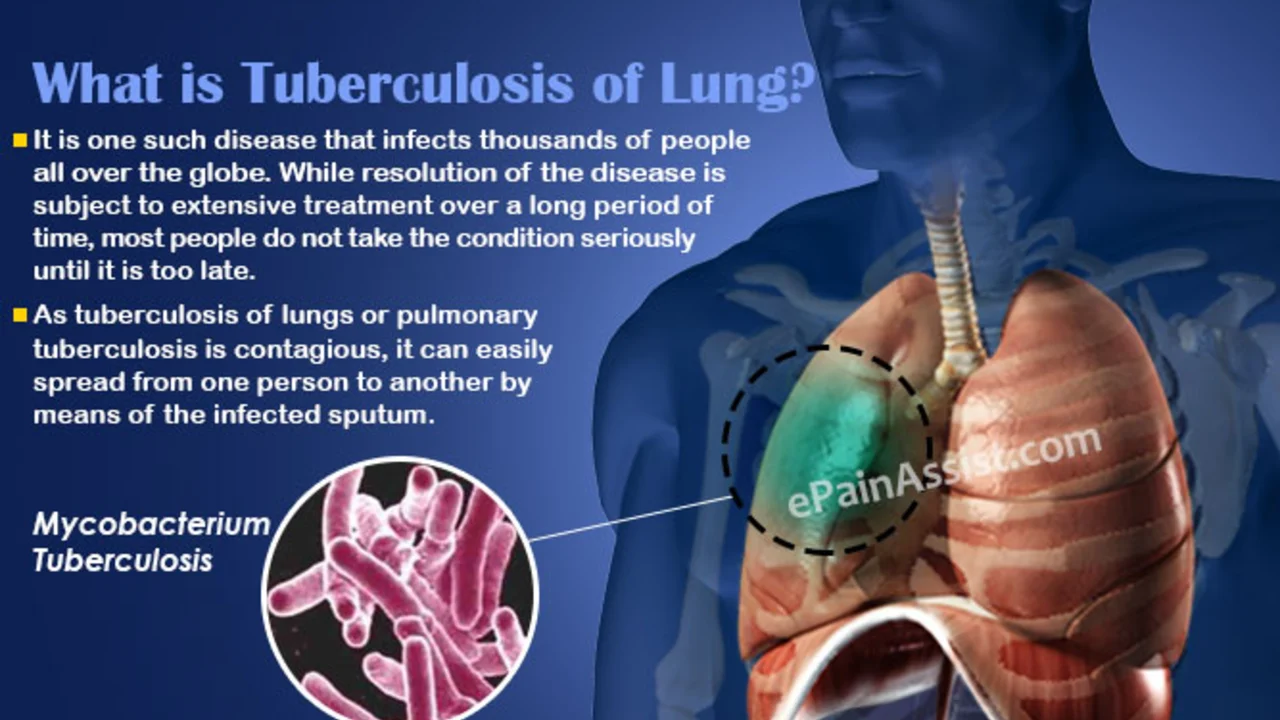
If you or a loved one has been diagnosed with TB, the biggest question is usually “how do I get rid of it?” The good news is that modern TB therapy is predictable and highly effective when you follow the plan. Below we break down the core regimen, how to handle tricky cases, and practical tricks to stay on track.

Standard first‑line regimen

For most patients with drug‑sensitive TB, doctors prescribe a four‑drug combo for the first two months, then drop to two drugs for the next four months. The initial “intensive phase” uses:

  • Isoniazid (INH)
  • Rifampicin (RIF)
  • Pyrazinamide (PZA)
  • Ethambutol (EMB)

After those 8 weeks, the “continuation phase” usually keeps isoniazid and rifampicin for another 4‑6 months. The total course is 6 months for most cases, though some clinicians extend to 9 months if the bacterial load was high.

Dealing with drug‑resistant TB

When the bacteria resist at least isoniazid and rifampicin, you’ve got multidrug‑resistant TB (MDR‑TB). Treatment then shifts to second‑line drugs like fluoroquinolones (levofloxacin or moxifloxacin), injectables (amikacin or capreomycin), and newer oral agents such as bedaquiline and delamanid. These regimens last 18‑24 months and have more side effects, so close monitoring is essential.

Even if you’re on a standard regimen, doctors will order a sputum culture early on. If the culture shows resistance, they’ll change the plan before the intensive phase ends, avoiding treatment failure.

Side effects are common but manageable. Isoniazid can raise liver enzymes, rifampicin may cause orange‑tinged fluids, pyrazinamide sometimes hurts the liver, and ethambutol can affect vision. If you notice yellow skin, severe nausea, or blurred vision, call your provider right away. Regular blood tests and eye exams keep problems in check.

Sticking to the schedule is the single most important factor for cure. Missing doses gives the bacteria a chance to grow resistant. Use a pillbox, set phone alarms, or ask a family member to remind you. Many clinics offer directly observed therapy (DOT) where a health worker watches you take each dose, which boosts success rates dramatically.

Nutrition matters, too. TB can make you lose weight, so eat protein‑rich foods, stay hydrated, and consider a multivitamin if you’re undernourished. Some patients benefit from vitamin D supplements, which may help the immune system fight the bacteria.

When your treatment ends, your doctor will order a final sputum test to confirm the bacteria are gone. If the test is negative, you’re cleared. Even after cure, keep an eye on your lungs—some scar tissue can linger, so a follow‑up chest X‑ray is wise.

Bottom line: TB isn’t a death sentence, but it does demand a disciplined, multi‑month commitment. Follow the drug schedule, watch for side effects, and stay in touch with your health team. With that approach, you’ll beat the infection and get back to normal life.

Drug-Resistant Tuberculosis: A Growing Global Concern

As a concerned global citizen, I can't ignore the alarming increase in cases of drug-resistant tuberculosis (TB). My latest post delves into this growing global health worry, explaining why the rise in drug-resistant TB is particularly ominous. It discusses the various factors contributing to its spread and the challenges it poses to the medical community in treating it. We all should be aware of this urgent issue, as it may affect us directly or indirectly. So, join me as we take a closer look at this critical matter.

Read more