




Understanding How TB Spreads and What You Can Do About It

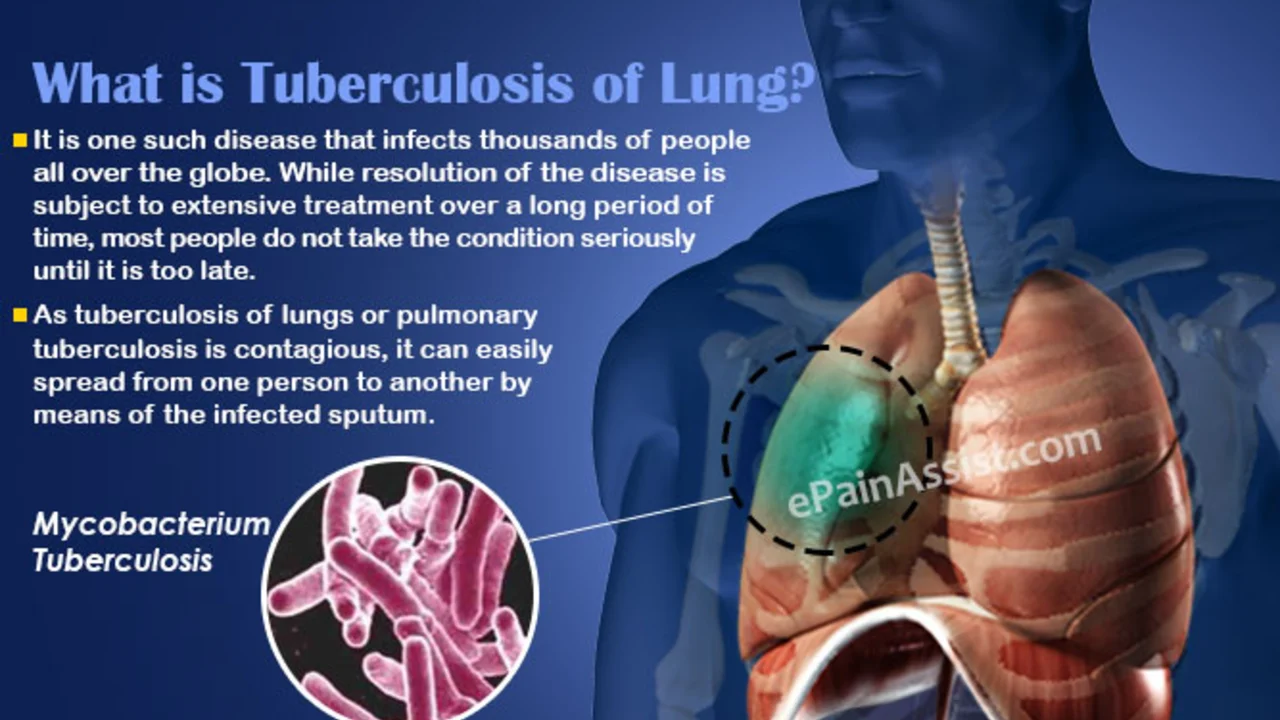
Tuberculosis (TB) is often called a silent enemy because you can catch it without even realizing it. It spreads mainly through the air when someone with active lung TB coughs, sneezes, or even talks. Those tiny droplets travel a few feet, and if you breathe them in, the bacteria can settle in your lungs.

Most people think TB only spreads in crowded places, but that's a myth. A single person in a small, poorly ventilated room can infect several others in a short time. The key factor is how long you stay close to the source and whether the space lets fresh air in.

Common Situations Where TB Transmission Happens

Think about places where you spend a lot of time indoors: homes, classrooms, offices, or public transport. If you share a room with a person who hasn't started treatment yet, the risk jumps. Even a brief encounter in a tight subway car can be enough if the infected person is coughing a lot. The bacteria don't survive long on surfaces, so touching a doorknob isn’t the main worry.

Another hotspot is health‑care settings. Hospitals and clinics see many TB patients, and staff need proper masks and ventilation to stay safe. The same goes for shelters or prisons where many people live close together. In these environments, a single missed diagnosis can lead to an outbreak.

Practical Ways to Cut Your Risk

First, keep windows open whenever you can. Fresh air dilutes any airborne germs and lowers the chance of inhaling enough bacteria to get sick. If you can’t open a window, use a fan that pushes air outside.

Second, wear a proper mask if you’re around someone who has active TB or if you’re in a high‑risk setting. A simple surgical mask isn’t enough; you need an N95 or higher‑rated respirator to filter out the tiny droplets.

Third, get screened if you think you’ve been exposed. A skin test or blood test can tell if you’re infected, and doctors can decide if you need preventive medication. Early detection stops the bacteria from turning into active disease.

Finally, if you’re diagnosed with TB, follow the treatment plan exactly. Skipping doses or stopping early lets the bacteria keep spreading and can make the disease harder to treat.

Bottom line: TB spreads through the air, especially in closed, crowded spaces. Good ventilation, proper masks, and regular screening are the cheapest, most effective tools you have. Stay aware, act fast, and you’ll keep yourself and others safe from this preventable disease.

Drug-Resistant Tuberculosis: A Growing Global Concern

As a concerned global citizen, I can't ignore the alarming increase in cases of drug-resistant tuberculosis (TB). My latest post delves into this growing global health worry, explaining why the rise in drug-resistant TB is particularly ominous. It discusses the various factors contributing to its spread and the challenges it poses to the medical community in treating it. We all should be aware of this urgent issue, as it may affect us directly or indirectly. So, join me as we take a closer look at this critical matter.

Read more