


Pulmonary Embolism Support: Real‑World Tips You Can Use Today
If you or someone you love has been diagnosed with a pulmonary embolism (PE), the first thing that hits you is usually fear. A clot in the lungs sounds scary, and the medical jargon doesn’t help. The good news? Most people recover well with the right plan, and you don’t have to figure it out alone. Below you’ll find the basics on what to do right after a PE, how to keep the clot from coming back, and ways to stay mentally strong while you heal.
What Happens Right After Diagnosis?
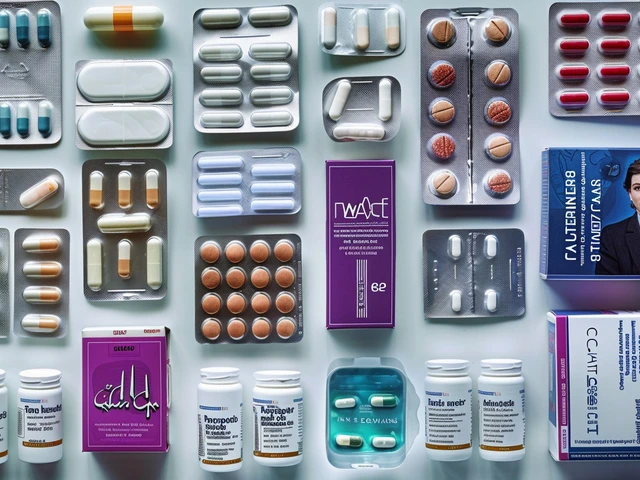
Doctors will usually start you on an anticoagulant – a blood‑thinner that stops the clot from growing. Common choices include apixaban, rivaroxaban, or the older warfarin. Make sure you know the exact dosage, how often to take it, and any food or drug interactions. Even if you feel fine, taking the medication exactly as prescribed is crucial; missed doses can let the clot re‑form.
Most hospitals also order a follow‑up CT scan or ultrasound to see how the clot is shrinking. If you’re discharged early, ask for a clear timeline: when should the next imaging be, and when will you see your doctor again? Having a written schedule in your phone or on the fridge can keep you from missing appointments.
Lifestyle Moves That Lower the Risk of Another Clot
Staying active might feel impossible at first, but even short walks can boost circulation. Aim for a few minutes every hour – stand, stretch, or do ankle pumps (flex your foot up and down). If you’re on bed rest, ask your doctor about compression stockings; they help blood flow in the legs where clots often start.
Hydration is another simple but powerful tool. Drinking at least eight glasses of water a day keeps your blood from getting too thick. Cut back on alcohol, which can interfere with anticoagulants, and talk to your doctor before taking any over‑the‑counter supplements, especially those that thin the blood further.
Weight management and quitting smoking also cut the clot risk. Smoking damages the lining of blood vessels and makes clots more likely. If quitting feels tough, reach out to your GP for nicotine‑replacement options or a counseling program.
Managing the Emotional Side of PE
A sudden health scare can trigger anxiety, depression, or a feeling of being “out of control.” It’s normal to worry about future trips or workouts. Talk openly with a friend, family member, or a therapist about those fears. Support groups – both in‑person and online – let you hear stories from people who’ve walked the same path.
On our site you’ll find articles that touch on related concerns, like how to handle medication side‑effects, ways to cope with chronic pain, and tips for navigating health insurance after a major diagnosis. Those pieces can give you a roadmap for the practical questions that pop up every day.
When to Call a Doctor
Even with treatment, keep an eye out for warning signs: sudden chest pain that gets worse when you breathe, rapid heartbeat, fainting, or coughing up blood. If any of these happen, treat it like an emergency and seek help right away.
Because anticoagulants increase bleeding risk, contact your doctor if you notice unexpected bruises, blood in urine or stool, or a prolonged nosebleed. A quick call can prevent a minor issue from becoming a major one.
Recovering from a pulmonary embolism is a marathon, not a sprint. By sticking to your medication plan, moving a little each day, staying hydrated, and leaning on support networks, you’ll give yourself the best shot at a smooth recovery. Keep this page bookmarked – we’ll add new tips and related articles as more research comes out, so you’ll always have fresh, useful info at your fingertips.