



Natural Supplements: What They Are and Why They Matter
If you’re scrolling through health blogs, you’ve probably seen the buzz around natural supplements. They’re basically plant‑based or animal‑derived products that aim to fill nutrition gaps, support specific body functions, or just make you feel better. Unlike prescription drugs, they’re sold over the counter and often marketed as “gentle” or “whole‑food” options.
But the real question is: do they actually work, and are they safe? The short answer is yes, many do, but you need to know the basics before you add them to your routine.
Top Natural Supplements You Should Know
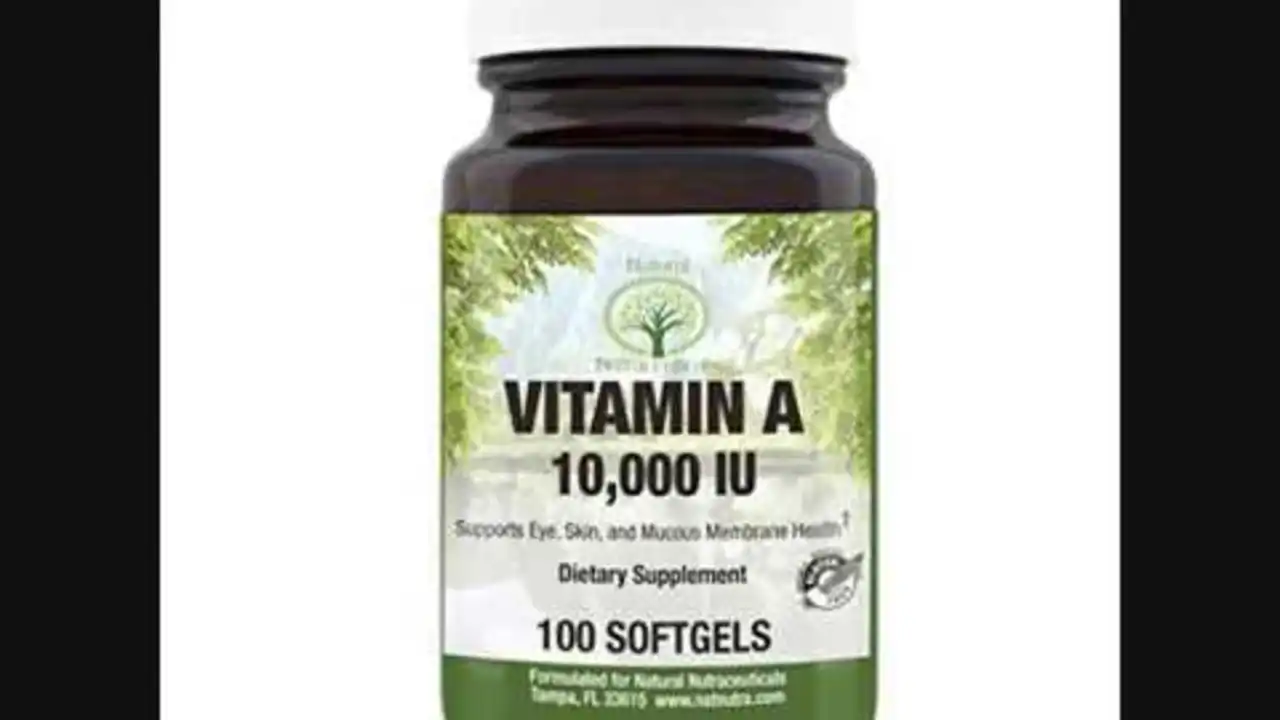
Apricot Supplements – Packed with vitamin A, potassium, and antioxidants, apricot powders or capsules are popular for skin health and immune support. Users report a brighter complexion and fewer colds, likely thanks to the beta‑carotene content.
Shark Cartilage – This one sounds unusual, but it’s used to support joint comfort and bone strength. The cartilage contains glucosamine‑like compounds that may reduce stiffness. If you have a history of shellfish allergy, skip it.
Acai Berries – Known as a superfruit, acai is rich in anthocyanins, which fight oxidative stress. Many athletes take acai powder before workouts for a mild energy boost, though it’s not a substitute for proper nutrition.
Turkey Corn Supplement – A lesser‑known herb blend that claims pain‑relief benefits. It contains corydalis and other alkaloids that can act like mild analgesics. Start with a low dose and watch for any stomach upset.
General Herbal Mixes – Products that combine several herbs (like turmeric, ginger, and green tea extract) aim for anti‑inflammatory effects. They’re handy if you want a broad‑spectrum approach without juggling multiple bottles.
How to Choose Safe and Effective Supplements
First, check the label. Look for third‑party testing symbols (USP, NSF, or Informed‑Sport). Those marks mean an independent lab verified what’s inside.
Second, watch the dosage. Natural doesn’t mean “any amount is fine.” Follow the manufacturer’s recommended serving or ask a pharmacist.
Third, consider interactions. If you’re on prescription meds, some herbs (like St. John’s wort) can mess with drug metabolism. A quick chat with your doctor can prevent nasty surprises.
Lastly, read reviews that focus on real‑world results rather than marketing hype. Forums, patient‑experience sites, and even comments on the product page can give clues about effectiveness and side‑effects.
Remember, supplements are meant to complement a balanced diet, not replace it. Pair them with whole foods, regular exercise, and good sleep for the best results.
Now that you have the basics, you can explore the natural supplement world with confidence. Whether you’re after clearer skin, stronger joints, or a gentle energy lift, there’s likely a plant‑based option that fits your goals. Just stay informed, choose reputable brands, and listen to your body.