




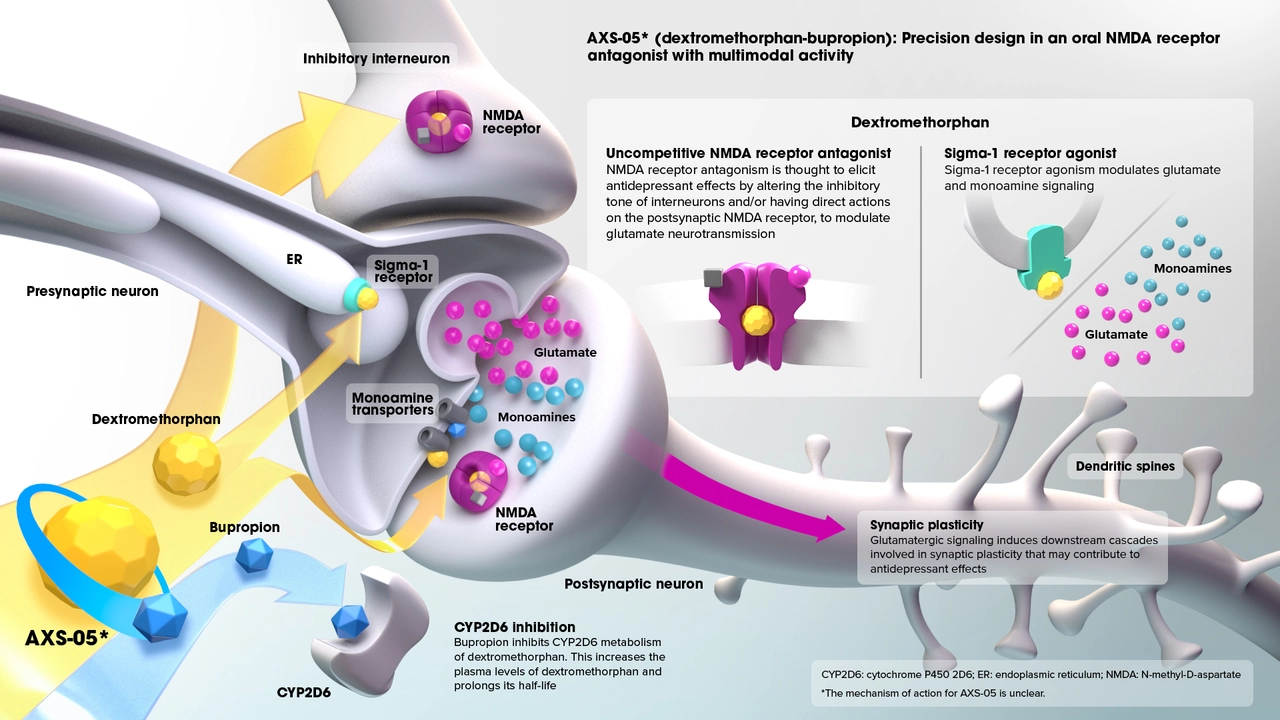
Mechanism of Action: How Medicines Work & Why It Matters

Ever wonder what actually happens inside your body when you pop a pill? The answer lies in the drug’s mechanism of action – the exact way a medicine produces its effect. Knowing this can help you choose the right treatment, avoid unwanted side effects, and talk smarter with your doctor.

Key Types of Mechanisms

Most drugs fall into a few basic categories:

  • Receptor blockers or activators: Think of receptors as tiny locks on your cells. Some meds lock them down (blockers) while others turn the key (activators) to trigger a response. For example, beta‑blockers stop adrenaline from binding, slowing heart rate.
  • Enzyme inhibitors: Enzymes speed up chemical reactions. Inhibitors slow the reaction, often reducing disease‑causing processes. Anastrozole, a common aromatase inhibitor, blocks estrogen production, which can boost testosterone in men.
  • Ion channel modulators: These control the flow of ions like sodium or calcium across cell membranes. Dilantin (phenytoin) stabilizes sodium channels, preventing seizure spikes.
  • Hormone mimics or suppressors: Hormone‑related drugs either add extra hormone (like synthetic insulin) or suppress excess (like tamsulosin relaxing prostate muscle by blocking alpha‑receptors).

Understanding which bucket your medication lands in gives you a quick snapshot of what to expect – whether you might feel drowsy, get a dry mouth, or need to watch your blood pressure.

Reading Mechanism of Action in Drug Info

When you open a drug monograph, you’ll usually see a short paragraph titled “Mechanism of Action.” Here’s how to break it down:

  1. Identify the target: Is the drug acting on a receptor, enzyme, ion channel, or something else?
  2. Know the direction: Is it blocking (inhibiting) or activating (stimulating) the target?
  3. Connect the dots: Link the target to the therapeutic outcome. For instance, clindamycin (Cleocin) stops bacterial protein synthesis, which explains its use for infections.

If the description mentions terms like “selective,” “non‑selective,” or “partial agonist,” those clues tell you how strong or specific the effect is. A selective drug hits only one target, often meaning fewer side effects.

Practical tip: Write down the target and the result on a sticky note. Next to your medication bottle, you’ll have a quick reminder of how it works and what to watch for.

Knowing the mechanism also helps when doctors need to switch meds. If an allergy blocks one drug’s pathway, a doctor can pick another that works through a different mechanism – like swapping an aromatase inhibitor for clomiphene in male infertility treatment.

Bottom line: The mechanism of action is the backstage pass to your prescription. It tells you what the drug is doing, why it helps, and what side effects might pop up. Keep an eye on it, ask your pharmacist to explain it in plain English, and you’ll feel more in control of your health.

Understanding the mechanism of action of amiloride in the body

Hey there! I'm here today to talk to you about something really interesting - the mechanism of action of amiloride in our bodies. Amiloride is a fascinating medication widely used to treat conditions like high blood pressure and heart failure. In this post, we're going deeper into how it works, the result of its effects, and overall how it helps our bodies cope with these medical conditions. Let's embark on this intriguing medical journey together.

Read more